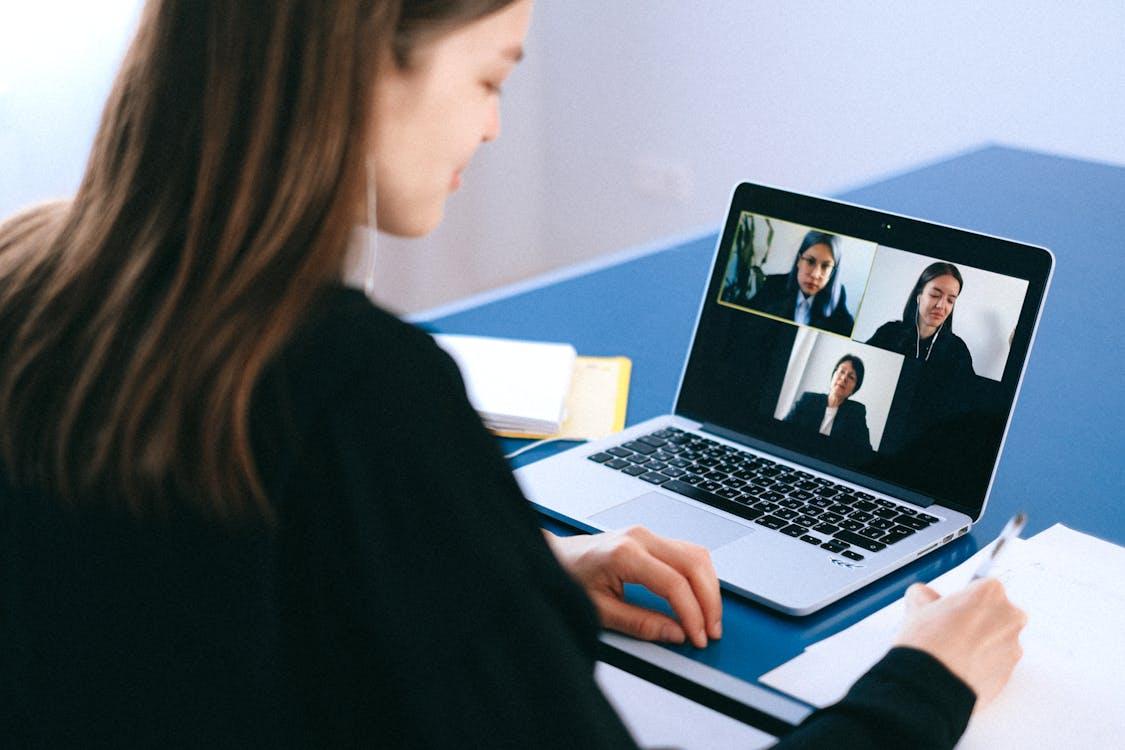
The Real Challenge of Remote Teams
When people talk about the difficulties of remote work, they usually mention productivity, time management, or technical issues. But those aren't the root cause of why remote employees feel disconnected.
The real problem is the absence of spontaneous moments — the chat by the coffee machine, the knowing glance during a tense meeting, the shared laughter at lunch. These moments can't be scheduled, and most online team-building tools fail to recreate them for exactly that reason: they're too structured.
Data from 2025–2026 remote work studies shows that 67% of remote employees feel less connected to their colleagues than when working in an office. But notably, 41% of that group still prefer remote work for its other benefits. The organizer's job is to preserve those benefits while minimizing the isolation.
Why Most Virtual Team Building Fails
Virtual team building doesn't fail because the ideas are bad — it fails because of poor execution. Popular activities like virtual happy hours or online quizzes share a common flaw: they create surface-level participation without generating genuine connection.
Real connection happens when:
- People share an emotional experience at the same moment
- There's an element of surprise or drama
- The outcome affects everyone (even in a small way)
- There are opportunities to be seen and recognized
Activities That Actually Work for Remote Teams in 2026
1. Synchronized Listening Session
Listening to music together — it sounds simple, but real-time shared listening is one of the most powerful ways to build connection, as neuroscience has confirmed. When people listen to the same song simultaneously, neural coupling occurs — their brains are literally experiencing the same stimulus at the same moment.
ListenWithMe (together.fm) is built exactly for this use case: create an online listening room, invite team members to join, and everyone listens to a fully synchronized playlist. Everyone hears the exact same part of the same song at the same time, whether they're in Hanoi, Ho Chi Minh City, or Singapore.
2. Virtual Lucky Draw
Online lucky draws produce exactly the elements needed for connection: drama, surprise, and outcomes that affect everyone. With software like quaysotrungthuong.vn, organizers can share the draw screen via Zoom or Teams, creating a shared moment of suspense even when participants are in different locations.
3. Collaborative Challenge
Group challenges with real stakes (not just for fun): solve an actual business puzzle together, co-create a playlist, vote on a real team decision. The "real" element is crucial — if people know the outcome doesn't matter, they won't truly engage.
sequenceDiagram
    participant HR as HR/Organizer
    participant T as Team Members
    participant LWM as ListenWithMe
    participant LS as Lucky Draw Software
    HR->>T: Send event join link (30 min before)
    T->>LWM: Join shared listening room
    LWM->>T: Sync music in real time
    T->>T: Chat, react, interact while listening
    HR->>T: Announce lucky draw is starting
    HR->>LS: Share draw screen
    LS->>T: Display name-scrolling animation
    T->>T: Chat cheers and reactions
    LS->>HR: Winner result
    HR->>T: Announce and screenshot
    T->>T: Congratulate each other in chat
    HR->>LWM: Switch to celebration playlist
    T->>T: Continue listening and chatting
Framework: A 2-Hour Online Team Building Event
Based on the principles above, here is a framework for an effective online team building event:
- Minutes 0–15 — Arrival & Warm-up: Everyone joins the ListenWithMe room and listens to a chill playlist. Anyone can add songs. Sets a relaxed tone before the main activity.
- Minutes 15–45 — Main Activity: Options include a team challenge, virtual game, or short workshop. Background music from ListenWithMe throughout.
- Minutes 45–75 — Lucky Draw: Share the draw screen. Each prize is its own dramatic moment. Encourage chat reactions.
- Minutes 75–120 — Free Time & Networking: No structure. Just music and space to talk freely. This is actually the segment that creates the most genuine connection.
Measuring Effectiveness
How do you know if online team building worked? Key metrics to track:
- Attendance rate
- Average session duration
- Chat interaction volume (message count)
- Post-event NPS (likelihood to recommend)
- Quality of collaboration in the following week (hardest to measure, but most important)
Conclusion
Effective online team building in 2026 isn't about recreating the office on Zoom. It's about designing connection moments suited to a digital environment: synchronized, interactive, dramatic, and meaningful. Combining ListenWithMe for shared music experiences and quaysotrungthuong.vn for lucky draw drama — these are two simple but powerful tools in the remote event organizer's toolkit.